Early Aviation Aviator Archibald Hoxsey Biplane Real Photo Postcard
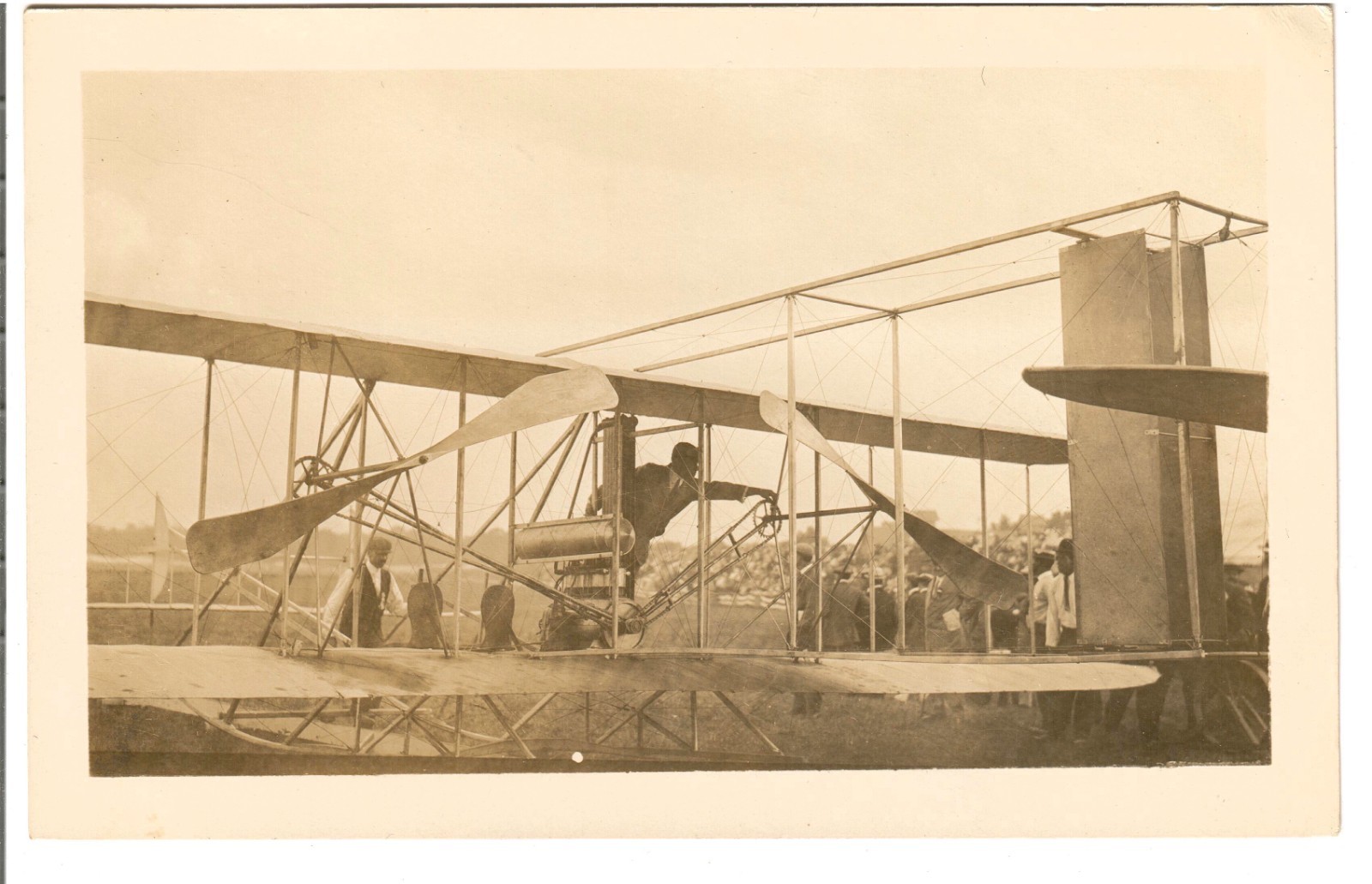
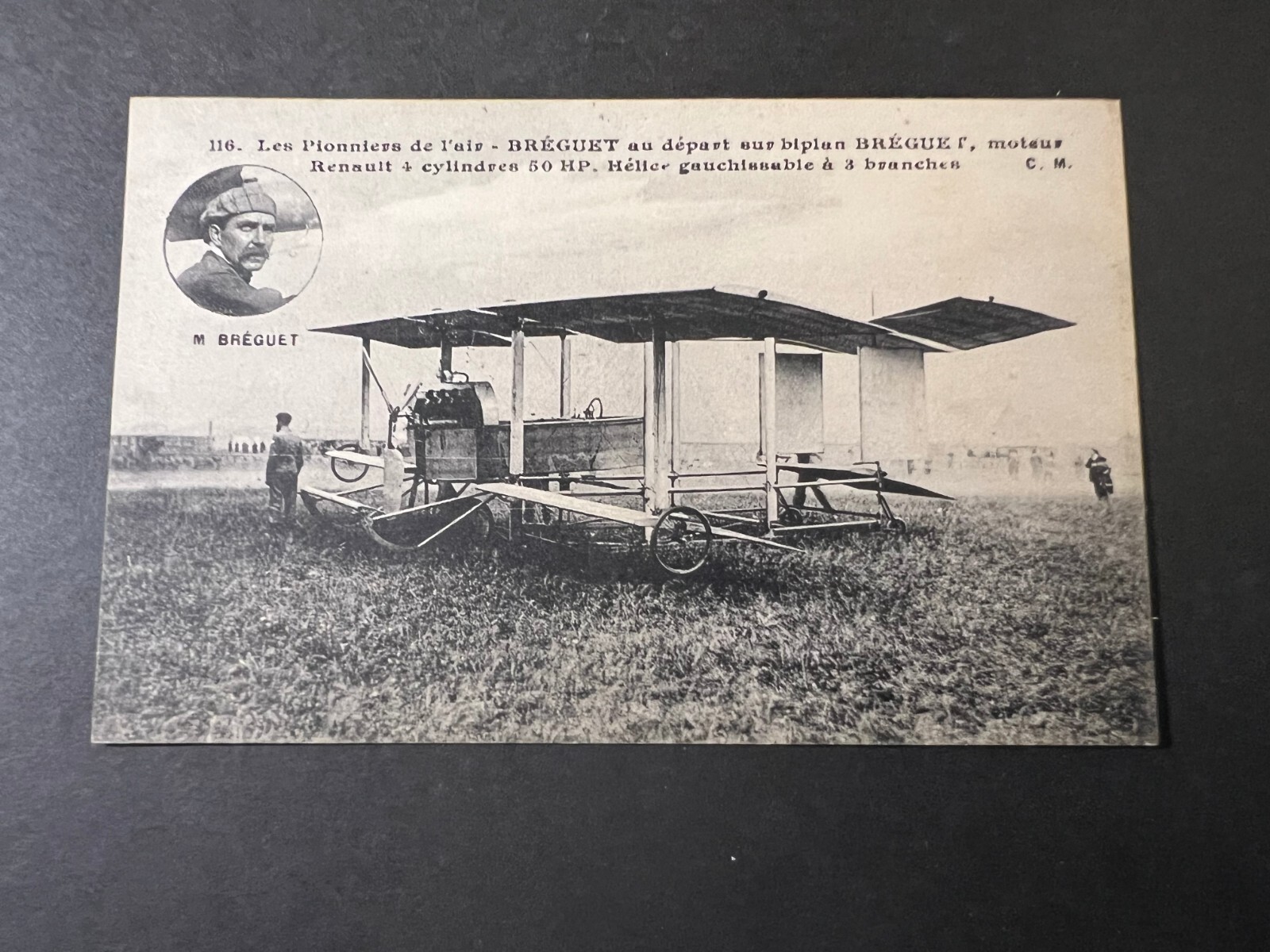
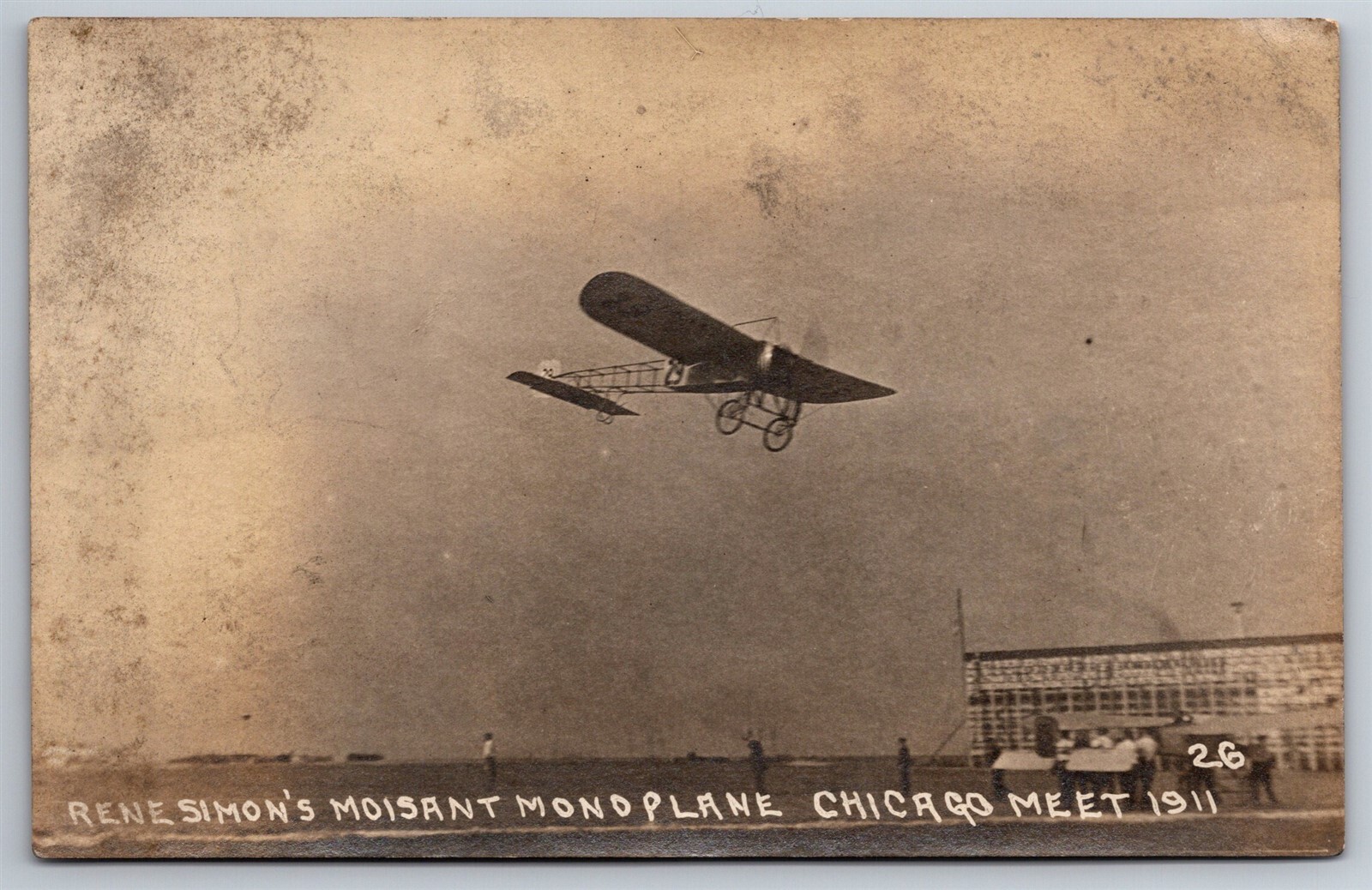
Early biplanes like the one depicted represent the foundational period of powered flight, spanning roughly from 1903 through the early 1910s. These pioneering aircraft, characterized by their open cockpits, exposed wooden or metal frameworks, and fabric-covered wings, were engineering marvels that demonstrated the feasibility of heavier-than-air flight. Many designs, heavily influenced by the Wright Flyer, utilized two main wings to generate sufficient lift and stability with the limited power of early internal combustion engines.
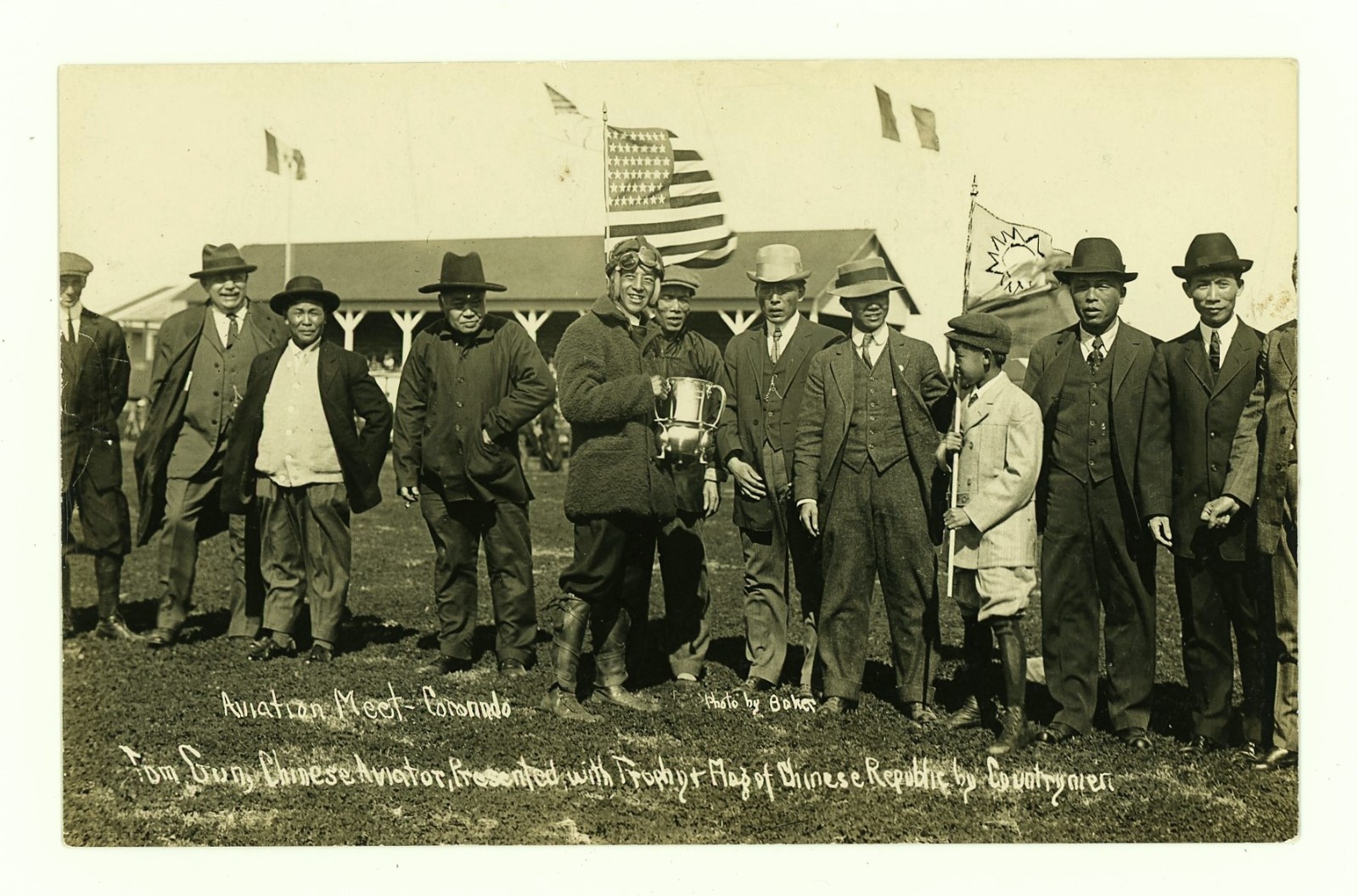
Public demonstrations and air meets during this era were crucial, introducing the spectacle of flight to an eager populace and driving rapid advancements in aeronautical design and piloting techniques. The presence of spectators highlights the widespread fascination with aviation's potential, as this nascent technology quickly transitioned from scientific curiosity into a field with profound implications for transportation, communication, and military strategy, fundamentally reshaping the 20th century.
Public demonstrations and air meets during this era were crucial, introducing the spectacle of flight to an eager populace and driving rapid advancements in aeronautical design and piloting techniques. The presence of spectators highlights the widespread fascination with aviation's potential, as this nascent technology quickly transitioned from scientific curiosity into a field with profound implications for transportation, communication, and military strategy, fundamentally reshaping the 20th century.