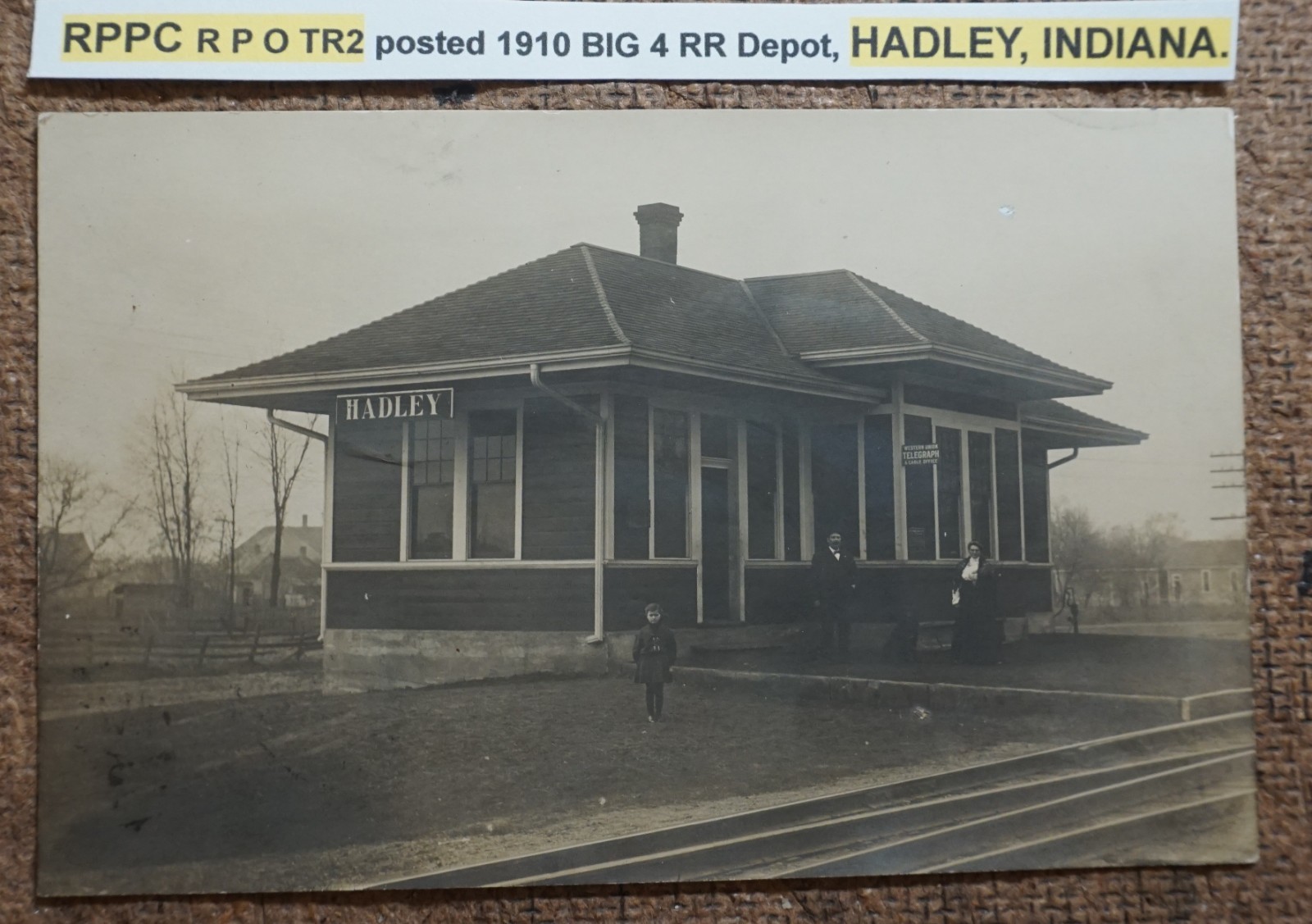
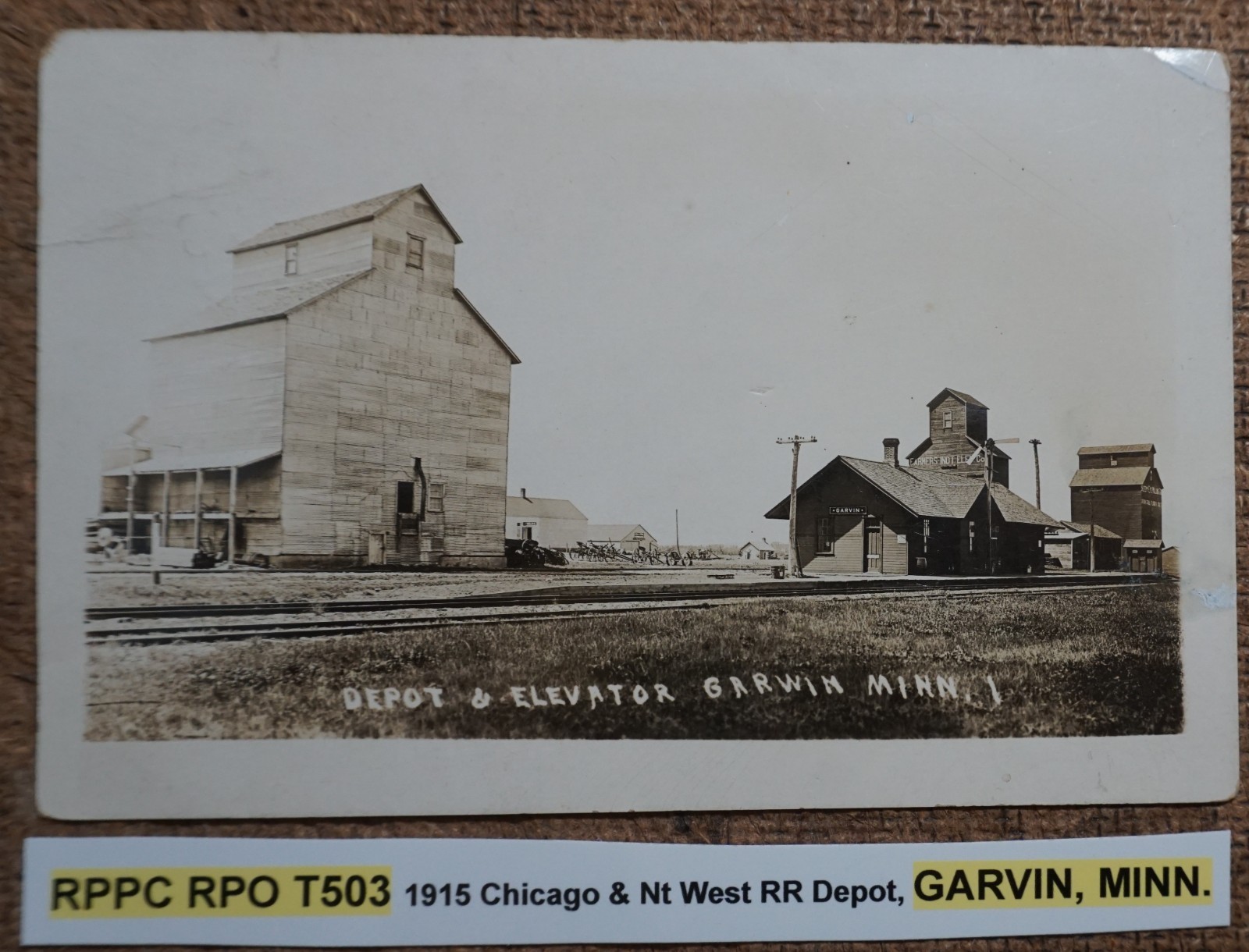
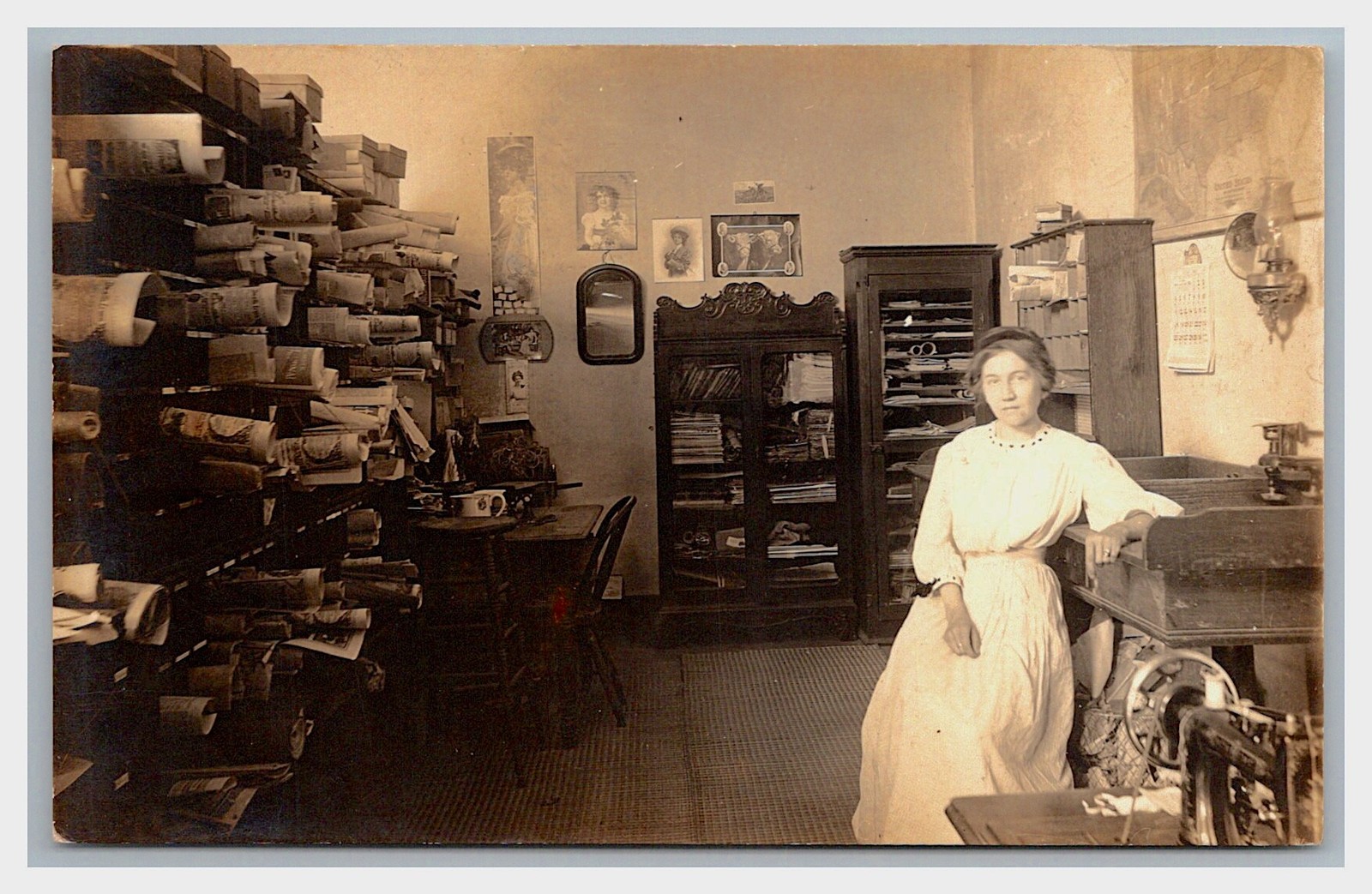
Fort Stevens Oregon Railroad Depot Post Office SP&S Railroad Great Northern Railway Real Photo Postcard
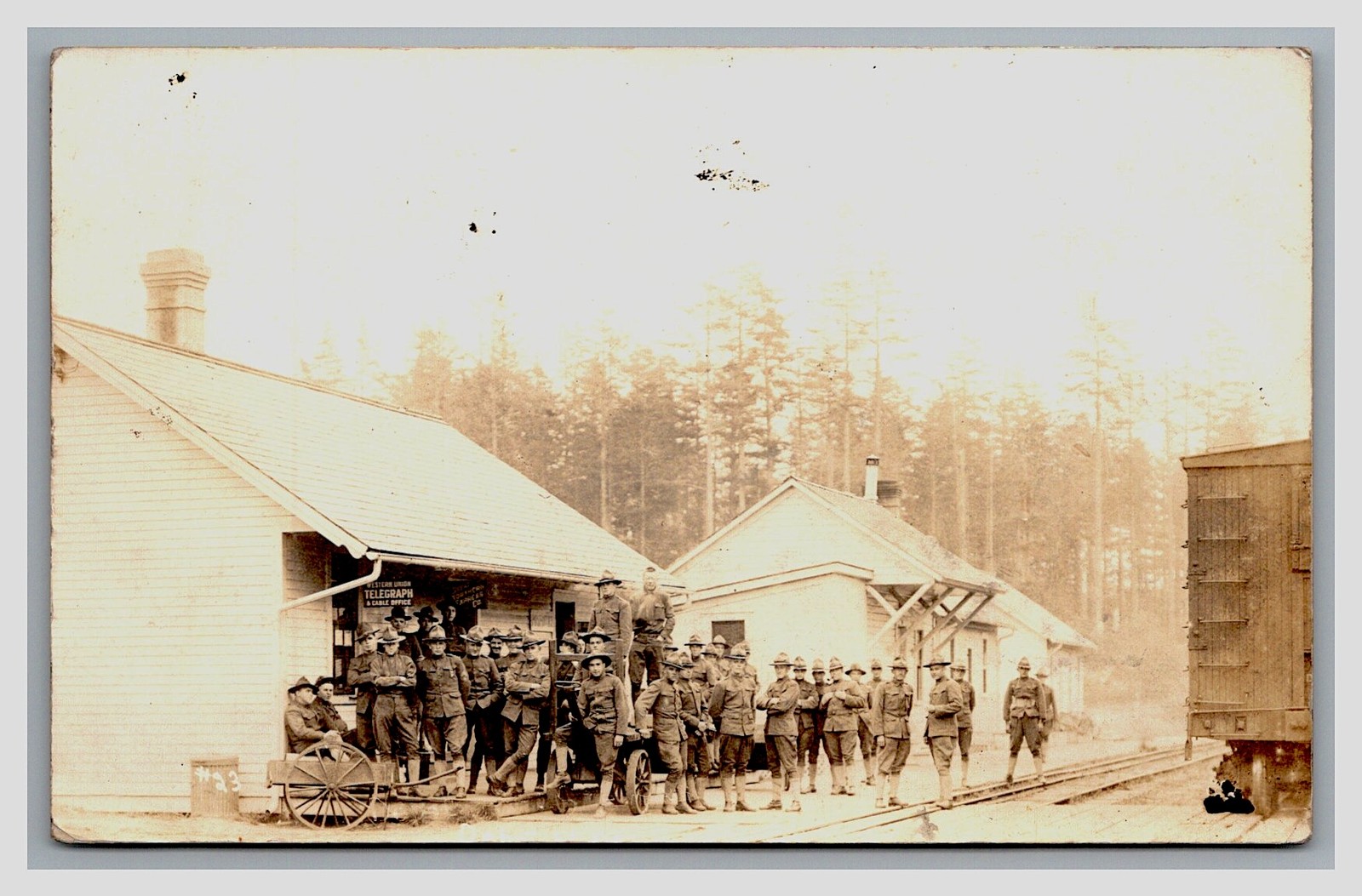
The soldiers depicted, wearing campaign hats and early 20th-century U.S. Army uniforms, likely belong to a period such as the Mexican Border Service (1910-1919) or the preparations for World War I. Their gathering at a rural railroad station, which doubles as a Western Union Telegraph and Cable Office, illustrates the critical intersection of transportation and communication infrastructure during this era. This setting suggests a logistical stop, deployment, or training in an outlying area.
Railroads were the principal means of military transport for troops and supplies across vast distances in early 20th-century America. Simultaneously, the telegraph, exemplified by Western Union's extensive network, served as the primary rapid long-distance communication channel for military commands, essential for coordinating movements, relaying intelligence, and issuing orders before the widespread advent of military radio and telephone networks.
Railroads were the principal means of military transport for troops and supplies across vast distances in early 20th-century America. Simultaneously, the telegraph, exemplified by Western Union's extensive network, served as the primary rapid long-distance communication channel for military commands, essential for coordinating movements, relaying intelligence, and issuing orders before the widespread advent of military radio and telephone networks.