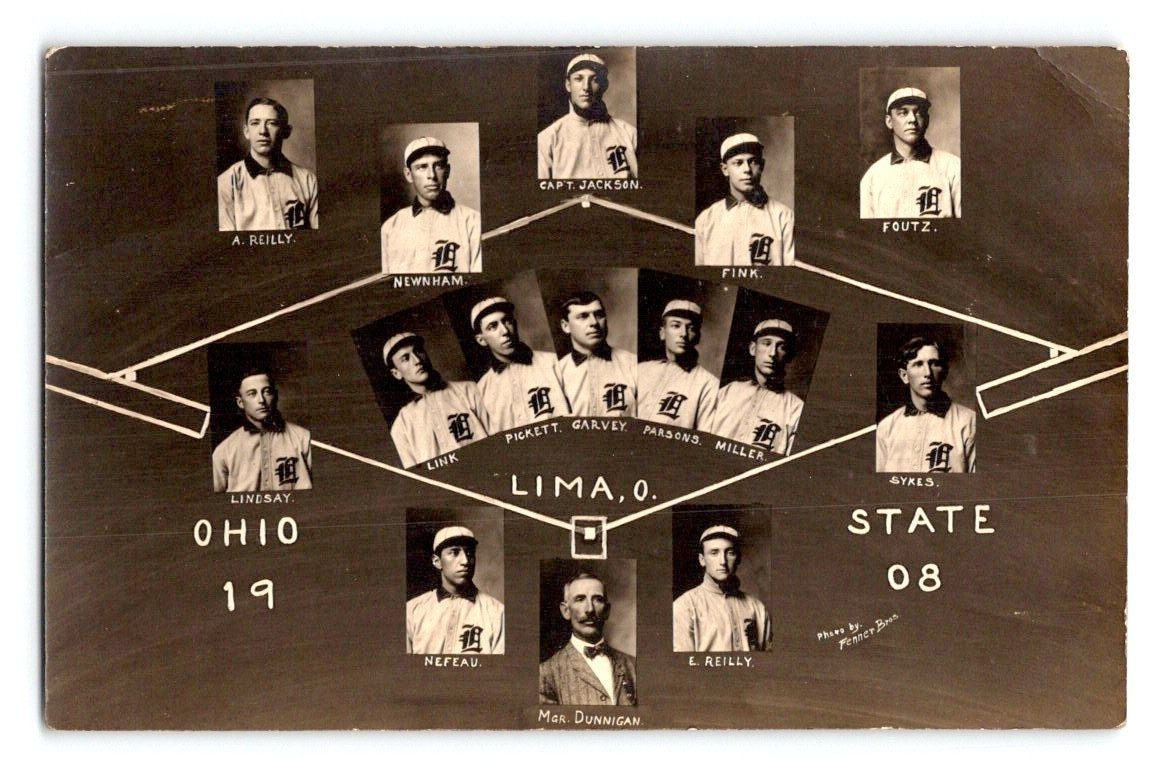
Ohio State Penitentiary Convict 1908 Real Photo Postcard
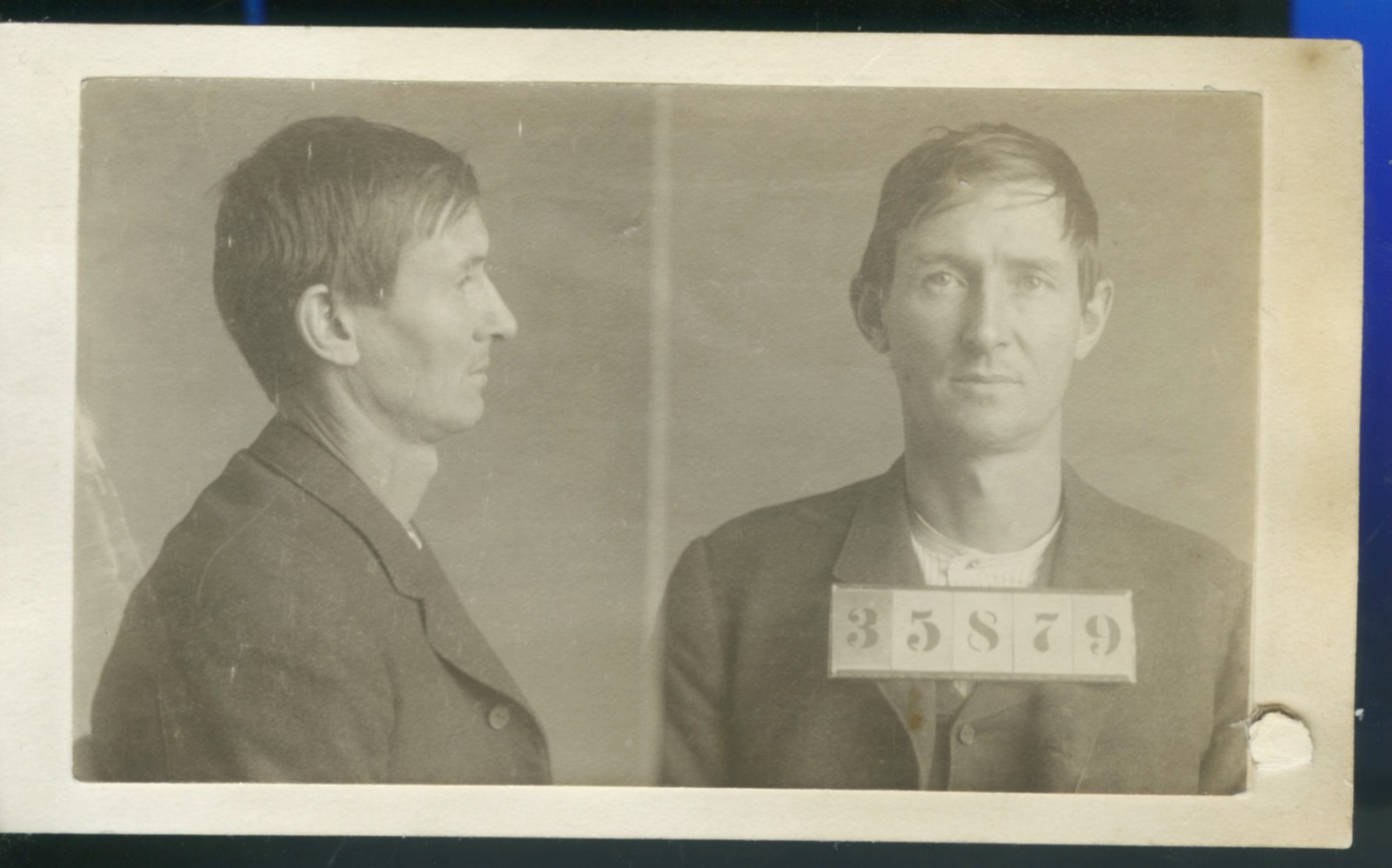
This image represents an early form of criminal identification photography, commonly known as a mugshot. Standardized photographic techniques for identifying individuals accused of crimes emerged in the late 19th and early 20th centuries, largely influenced by the work of Alphonse Bertillon in France. The dual views—frontal and profile—were crucial for recording distinctive facial and physical characteristics, aiding law enforcement in documenting and tracking suspects.
The numerical placard, such as "35879" seen here, was integral to these early identification systems, linking the photographic record to detailed arrest reports and criminal files. This systematic approach to visual documentation transformed policing, moving beyond unreliable eyewitness accounts and rudimentary sketches to a more scientific method of criminal apprehension and record-keeping, a practice that remains fundamental to modern forensic identification.
The numerical placard, such as "35879" seen here, was integral to these early identification systems, linking the photographic record to detailed arrest reports and criminal files. This systematic approach to visual documentation transformed policing, moving beyond unreliable eyewitness accounts and rudimentary sketches to a more scientific method of criminal apprehension and record-keeping, a practice that remains fundamental to modern forensic identification.