Halloween Owl Full Moon Stars Jack-o'-Lantern Postcard

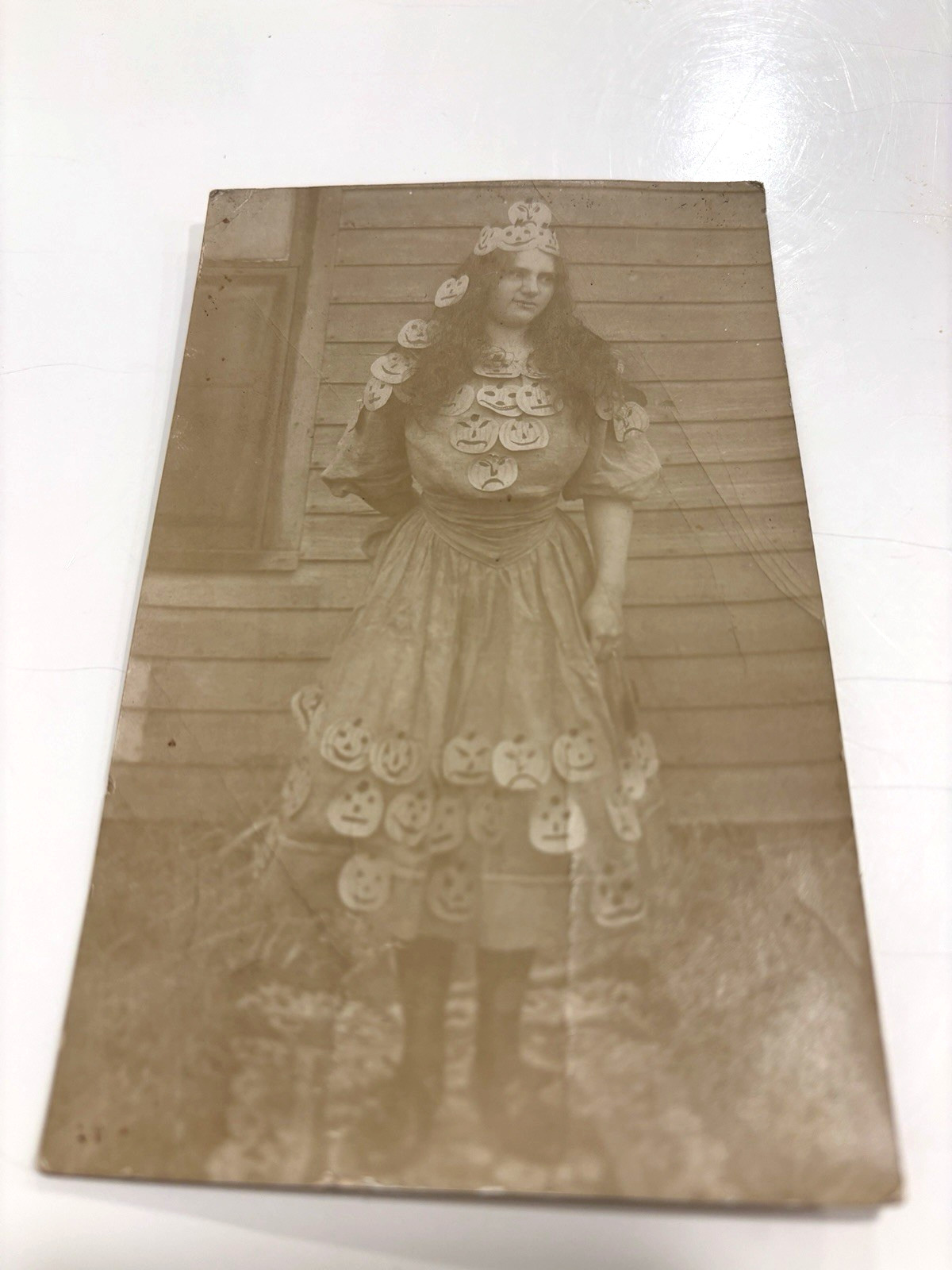
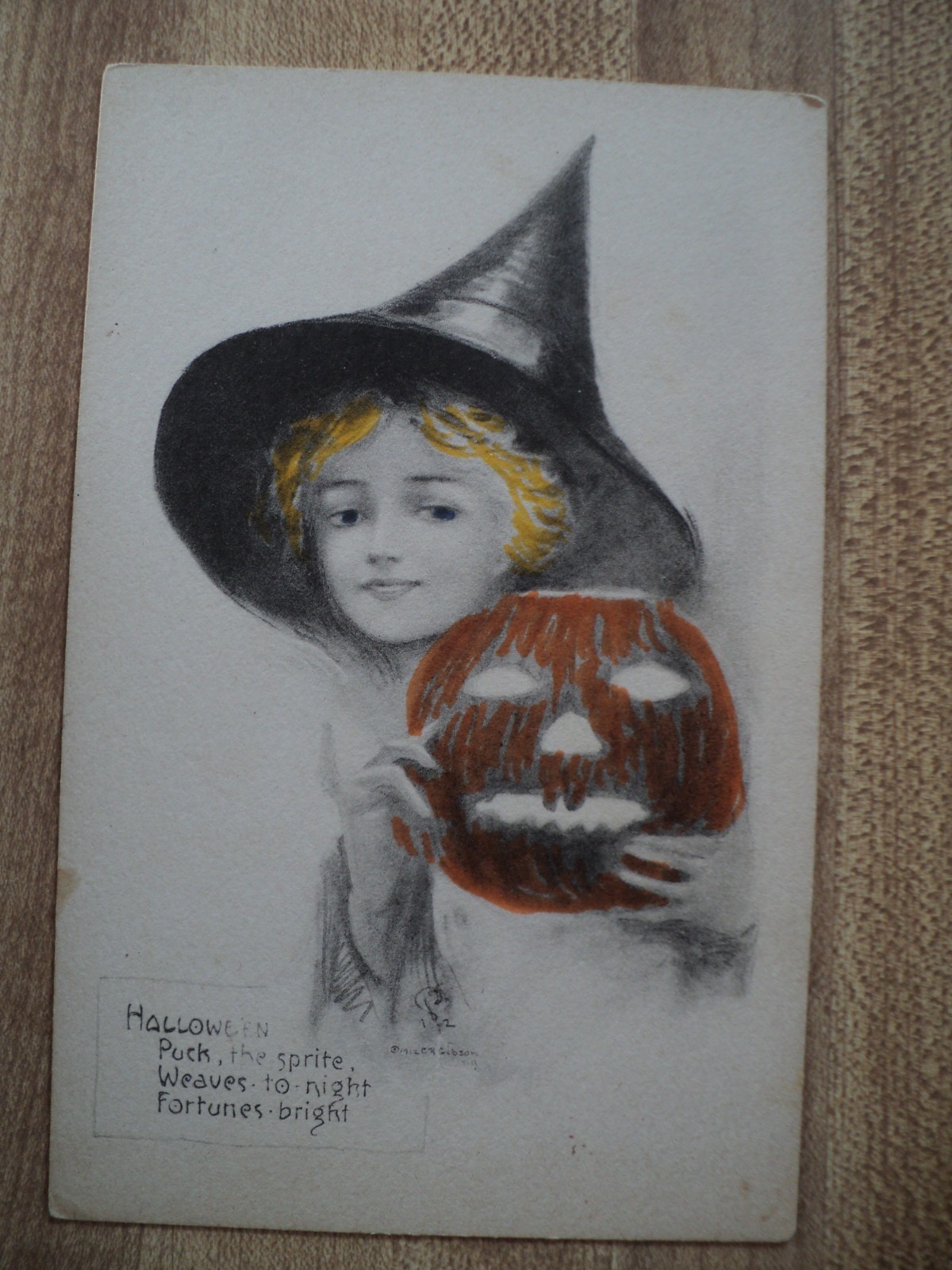
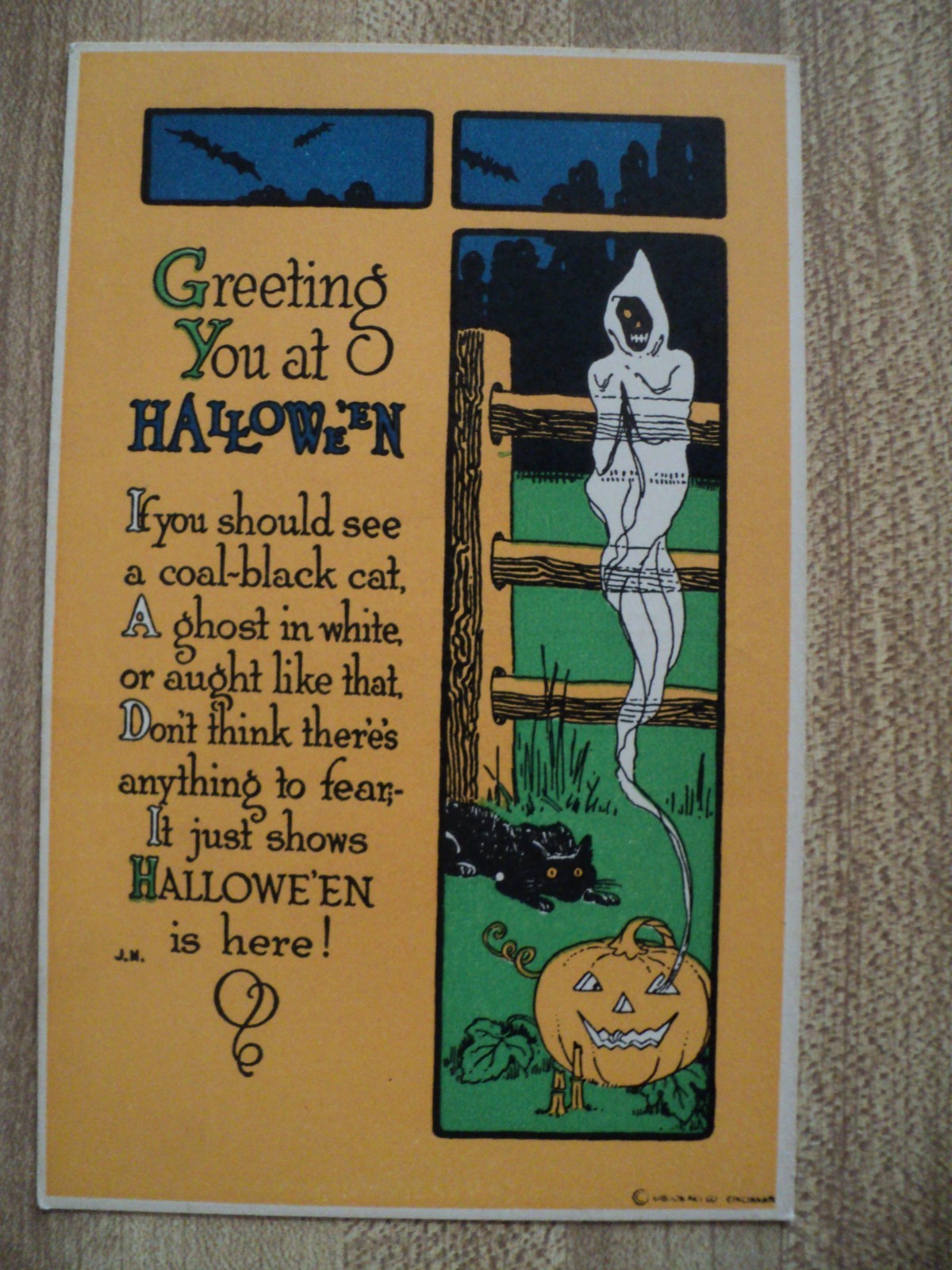
Halloween, as depicted in this early 20th-century illustration, synthesizes ancient traditions with emerging cultural practices. The holiday's roots lie in Celtic harvest festivals like Samhain, where themes of the supernatural, spirits, and the boundary between worlds were central. The jack-o'-lantern, originating from Irish folklore and initially carved from turnips, evolved into the pumpkin carving tradition in North America by the mid-19th century, symbolizing the harvest and warding off malevolent spirits. Owls, creatures of the night, traditionally signify wisdom and mystery, and became prominent Halloween motifs, aligning with the holiday's mystical and sometimes eerie atmosphere.
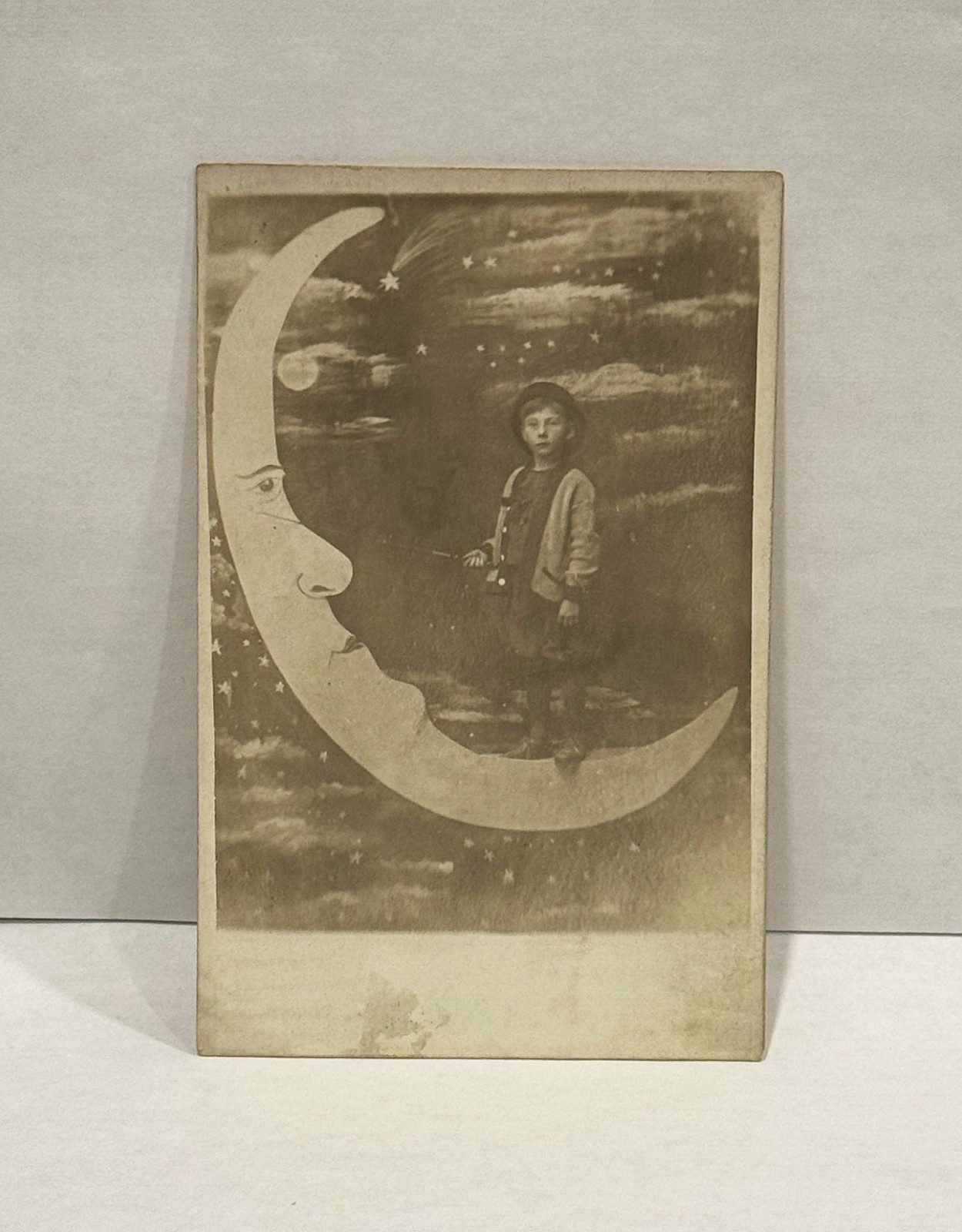
The proliferation of illustrated postcards in the early 20th century significantly popularized and standardized Halloween iconography. Postcards like this, featuring whimsical yet atmospheric imagery of nocturnal animals and classic holiday symbols, played a vital role in disseminating the evolving visual language of Halloween. They served as a primary medium for seasonal greetings, contributing to the holiday's broader cultural adoption and transformation from a localized folk celebration into a widely recognized event across the United States and Canada.
The proliferation of illustrated postcards in the early 20th century significantly popularized and standardized Halloween iconography. Postcards like this, featuring whimsical yet atmospheric imagery of nocturnal animals and classic holiday symbols, played a vital role in disseminating the evolving visual language of Halloween. They served as a primary medium for seasonal greetings, contributing to the holiday's broader cultural adoption and transformation from a localized folk celebration into a widely recognized event across the United States and Canada.