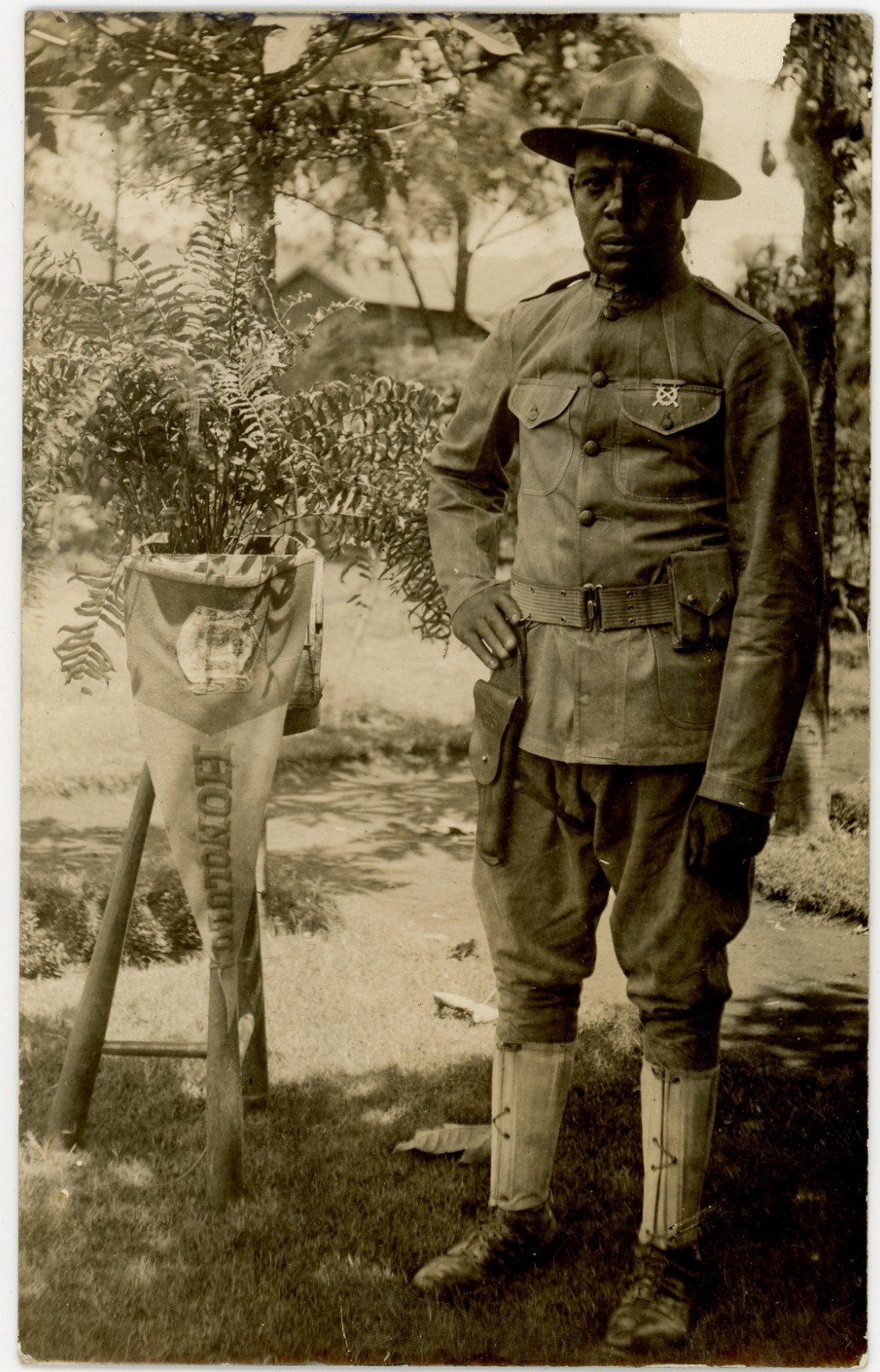
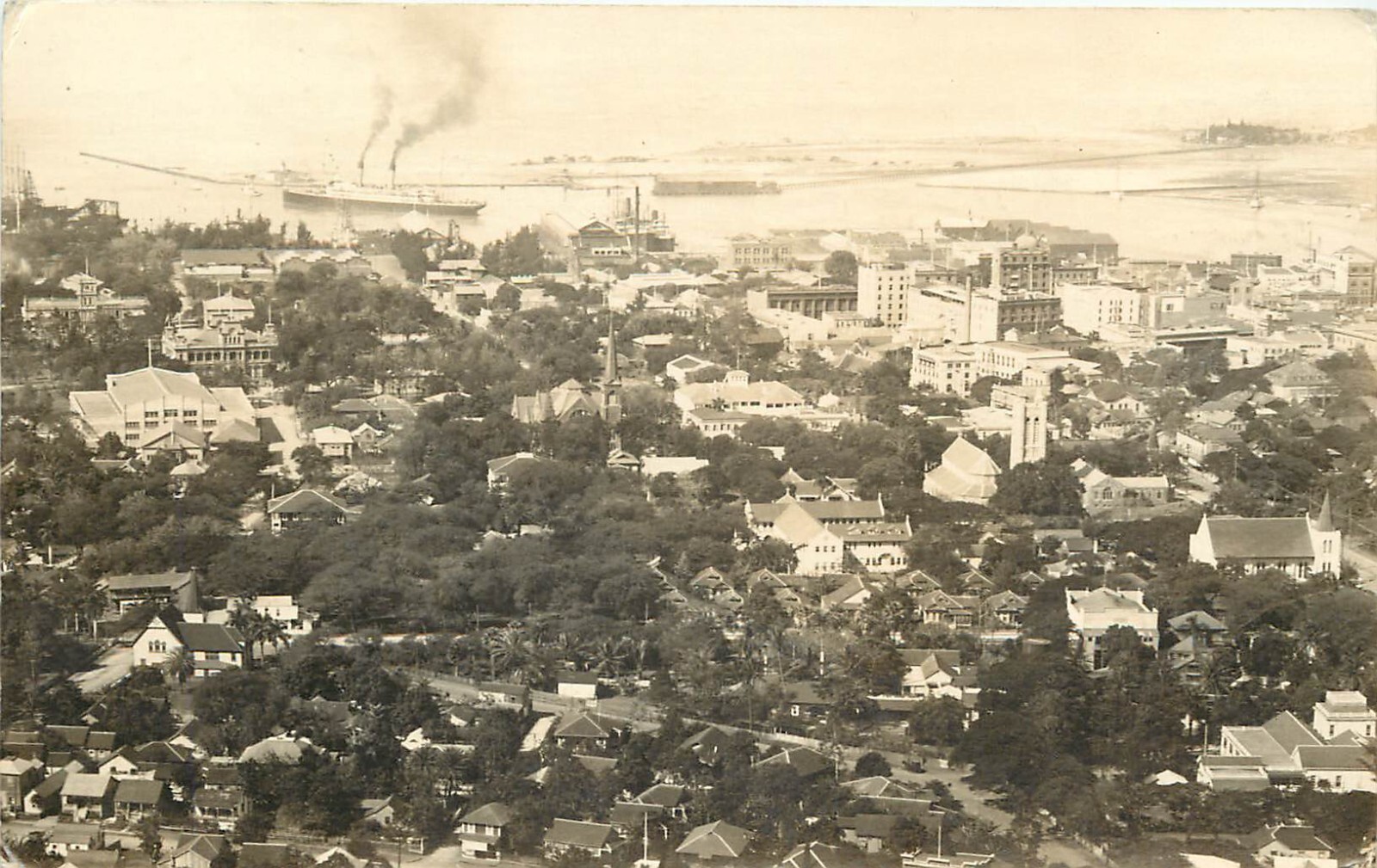
Honolulu Hawaii Duke Kahanamoku Surfing Group Photo Real Photo Postcard

Surfing, an ancient sport with Polynesian roots, experienced a significant resurgence and popularization in the early to mid-20th century, notably through Hawaiian ambassadors like Duke Kahanamoku. By the 1950s and 1960s, it had firmly established itself as a defining aspect of American youth culture, particularly on the West Coast, transitioning from a niche activity to a global phenomenon encompassing sport, fashion, and lifestyle.
This period was characterized by crucial innovations, including the shift from cumbersome redwood boards to lighter, more maneuverable balsa and foam designs, which made the sport more accessible. Concurrently, the popularization of the neoprene wetsuit in the mid-1950s enabled surfers to endure colder waters, thereby expanding the sport's seasonal and geographical boundaries and cementing its recreational and competitive prominence.
This period was characterized by crucial innovations, including the shift from cumbersome redwood boards to lighter, more maneuverable balsa and foam designs, which made the sport more accessible. Concurrently, the popularization of the neoprene wetsuit in the mid-1950s enabled surfers to endure colder waters, thereby expanding the sport's seasonal and geographical boundaries and cementing its recreational and competitive prominence.