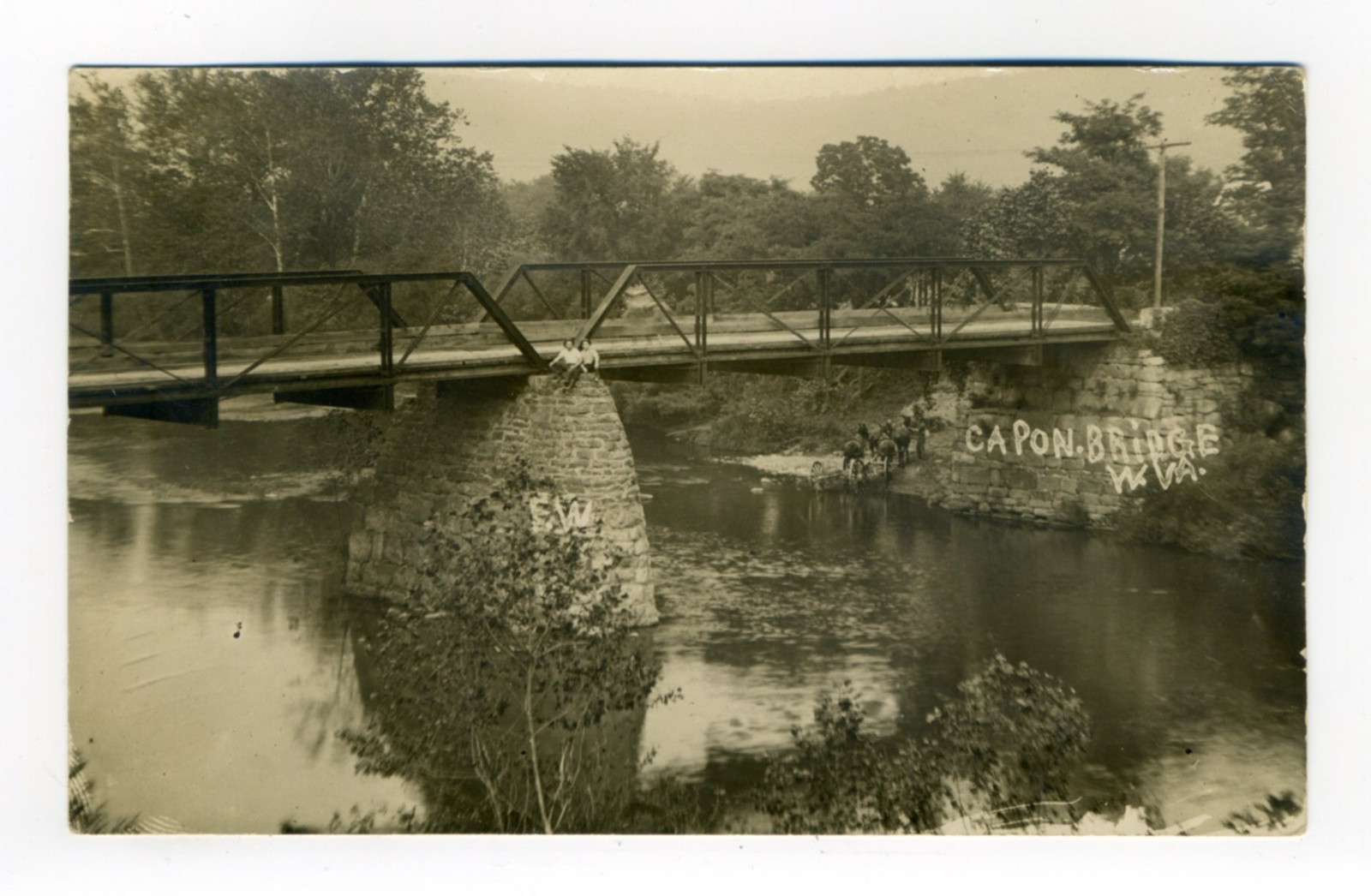
West Virginia or Pennsylvania Cameron Pottery Workers Occupational Real Photo Postcard
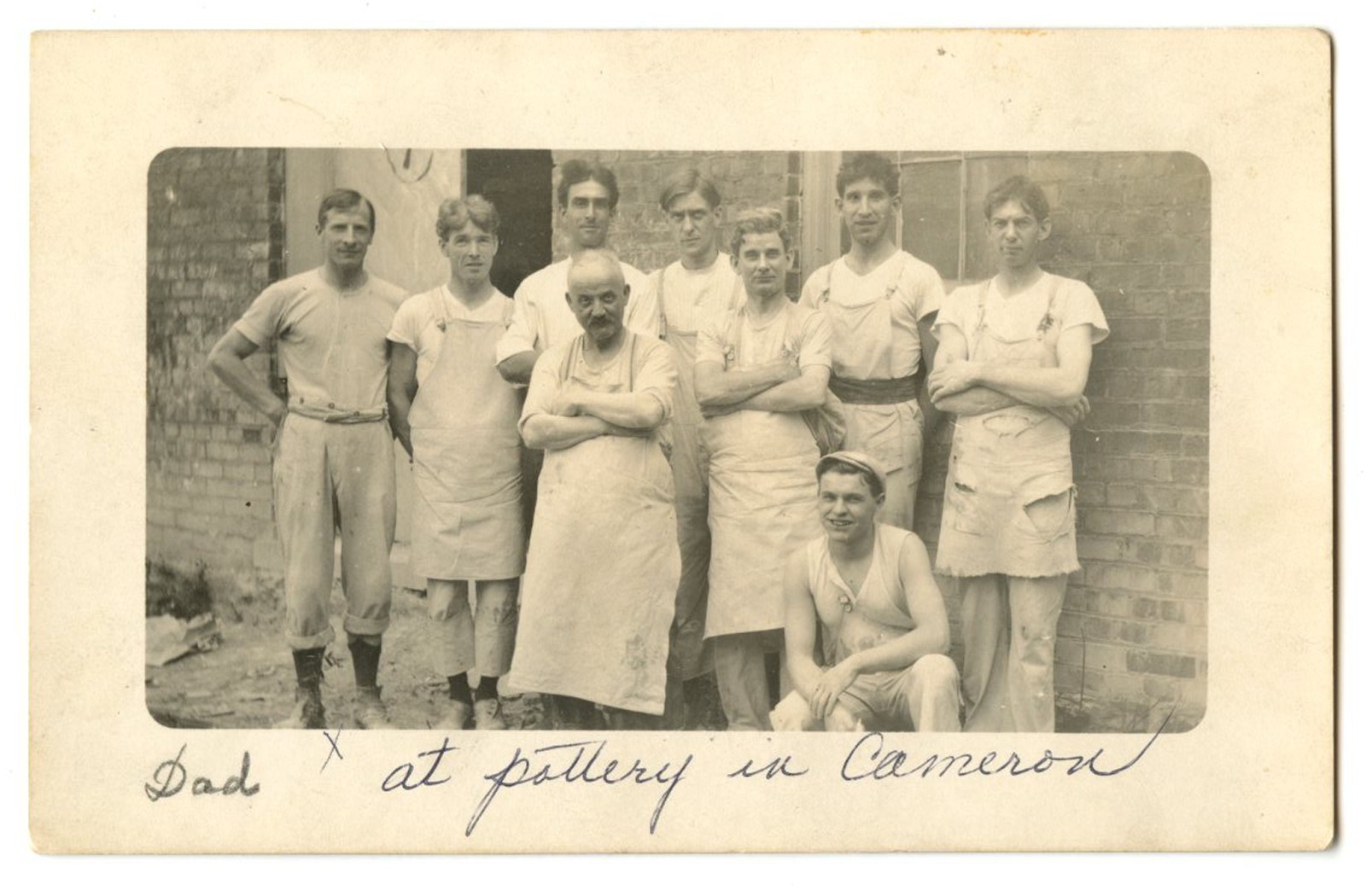
The early 20th century saw the pottery industry as a significant component of local economies, particularly in towns with access to suitable clay deposits and established manufacturing traditions. This image of workers at a pottery in "Cameron" exemplifies the hands-on and often communal nature of the trade during an era before widespread automation. Such workshops were crucial for producing a range of items, from utilitarian stoneware and earthenware for domestic use to specialized industrial and architectural ceramics.
Workers in these pottery establishments, like those depicted, engaged in physically demanding and skilled tasks, from clay preparation and throwing to firing and glazing. Their protective aprons and work clothes reflect the practical necessities of a trade known for its messy yet artistic demands. While "Cameron" is a common place name across various regions, many such towns throughout the United States fostered small to medium-sized industries, utilizing local resources and providing steady employment in crafts vital to daily life and commerce.
Workers in these pottery establishments, like those depicted, engaged in physically demanding and skilled tasks, from clay preparation and throwing to firing and glazing. Their protective aprons and work clothes reflect the practical necessities of a trade known for its messy yet artistic demands. While "Cameron" is a common place name across various regions, many such towns throughout the United States fostered small to medium-sized industries, utilizing local resources and providing steady employment in crafts vital to daily life and commerce.